CHAPTER 03 // EPIDERMAL BARRIER

Care at the Roots

Your scalp is an extension of facial skin, except with higher follicular density, richer sebaceous activity, and a darker, more humid microclimate beneath the hair canopy. Treating it gently—without aggressive physical scrubs—is the quiet secret to resilient hair.

MODULE 3.1 // OBSERVATION MATRIX

Dry Winter Flakes vs. Lipid-Driven Flakes

One of the most frequent seasonal mistakes in northern climates is treating oil-driven dandruff with heavy plant oils—or stripping a dehydrated winter scalp with harsh anti-dandruff washes. Observe what your parting actually shows before changing your routine.

Observation Factor Dehydrated / Winter-Dry Scalp Oily / Malassezia-Prone Scalp Product-Residue Buildup
Visual Appearance of Flakes Tiny, white, powdery specks that fall loosely onto dark shoulders Larger, yellowish or translucent flakes that cling to the scalp and hair root Dull, whitish-grey film when scratching gently along the hairline
Sensory Feeling After Washing Tight, taut sensation immediately after drying, especially in heated rooms Relieved right after shampooing; itchiness returns after 48–72 hours without washing Roots feel coated, stiff, or lifeless even right after blow-drying
Cosmetic Workbook Action Switch to fragrance-free glucoside/isethionate shampoo; lower shower water temperature; apply water-based glycerin/urea scalp serum Wash more frequently (every 1–2 days); use cosmetic shampoos with Piroctone Olamine or Salicylic Acid; avoid applying heavy oils to the scalp Emulsify shampoo thoroughly; double-cleanse the crown and nape; rinse for a full 90 seconds
MEDICAL BOUNDARY NOTICE

When Cosmetic Care Is Not Enough

Cosmetic routines support normal skin barrier hygiene. If you experience intense burning, bleeding crusts, well-demarcated red plaques extending past the hairline, pustules, or sudden widening of your part line, skip cosmetic experiments and book an appointment with a medical doctor or dermatologist.

MODULE 3.2 // TECHNIQUE

How to Cleanse and Massage Without Micro-Abrasion

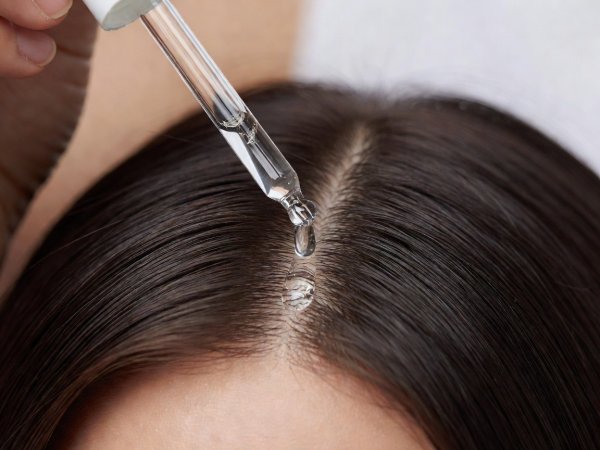
TECHNIQUE 01 Close-up of a glass pipette dropper applying a clear hydrating serum along a clean scalp parting

Skip Coarse Salt and Apricot Scrubs

Gritty physical scrubs marketed for the scalp frequently create micro-tears in the stratum corneum and get trapped near follicular ostia, where mechanical friction twists wet hair roots. If you want to loosen adherent dead skin cells or dry shampoo polymers, use a liquid pre-wash lotion containing 0.5% to 2% Salicylic Acid (BHA) or Gluconolactone (PHA) for ten minutes before showering.
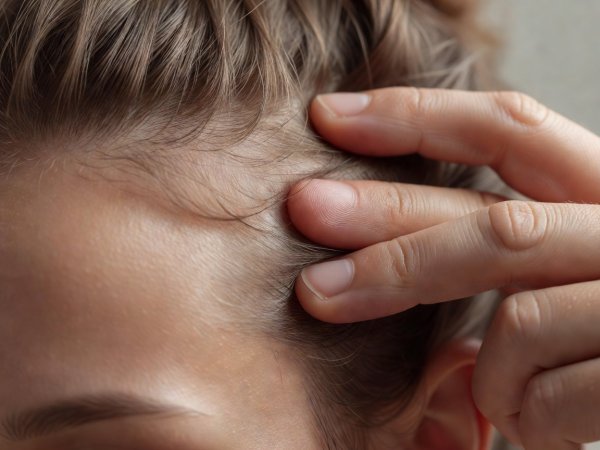
TECHNIQUE 02 Shallow depth close-up of finger pads resting against the temple hairline to move the scalp skin gently

Finger-Pad Mobilization vs. Nail Scratching

During shampooing, keep fingernails completely clear of the skin. Place the flat fleshy pads of your fingers under the hair canopy directly on the scalp and move the skin gently over the cranial bone in small circles, lifting fingers to reposition rather than dragging them through wet hair tangles.

MODULE 3.3 // SEASONAL SCALP CHECKLIST

Four Year-Round Root Habits

  • UV Protection at the Part Line: From May through August, the exposed millimeter of skin along your center part receives direct solar radiation. Wear a breathable linen cap or dab mineral SPF powder along the part line.
  • Dry Shampoo Discipline: Aerosol starch sprays absorb surface oil for one extra day, they do not clean the scalp. Never layer dry shampoo more than two days in a row without a wet wash.
  • Sweat Salt Rinsing: Dried sweat leaves hypertonic sodium chloride crystals on the epidermis that draw water out of skin cells. After winter cross-country skiing or indoor spinning, a 60-second lukewarm water rinse restores comfort even on non-shampoo days.
  • Fragrance Awareness for Sensitive Skin: In Nordic pharmacies and allergy associations (such as Asthma Allergy Nordic), fragrance-free shampoos are widely favored during winter barrier flare-ups to minimize contact sensitizers like oxidized linalool or limonene.